Choosing the right hosting provider is not a cosmetic decision. It affects site speed, security, SEO visibility, uptime reliability, and your ability to scale without technical debt. This business web hosting checklist is designed for business owners, marketers, and IT decision makers who want clarity before committing to a hosting provider.
Rather than comparing plans line by line, this checklist focuses on the operational questions that determine whether a hosting environment supports growth or quietly limits it.
Why a Business Web Hosting Checklist Matters
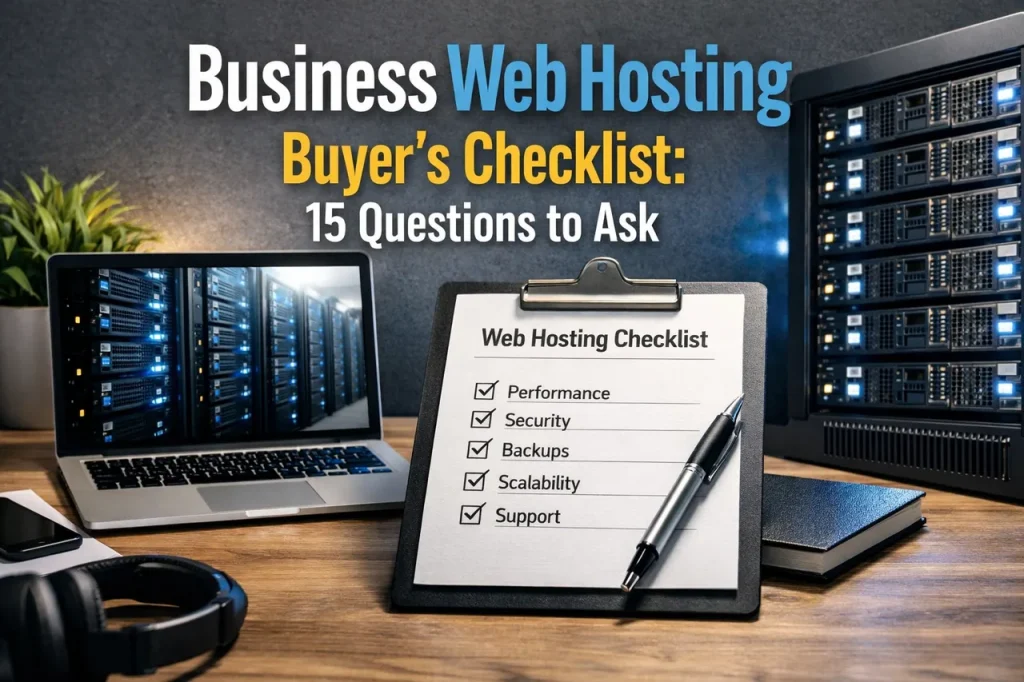
Business websites behave differently than hobby sites. They process leads, publish content at scale, integrate with third party tools, and must remain online during traffic spikes. A structured business web hosting checklist ensures you evaluate hosting as infrastructure, not a commodity.
Use the questions below to compare providers objectively and avoid surprises after launch.
Performance and Infrastructure Questions
1. What type of hosting architecture is used?
Shared hosting, VPS, cloud hosting, and container-based environments all deliver very different performance outcomes. Business hosting solutions should rely on isolated resources rather than overcrowded shared servers.
2. Are resources guaranteed or variable?
Ask whether CPU, RAM, and storage are dedicated or pooled. Managed hosting services typically allocate predictable resources that protect performance during traffic spikes.
3. How is hosting uptime monitored and enforced?
Hosting uptime is not just a percentage on a sales page. Ask how uptime is tracked, how outages are reported, and whether service credits exist for prolonged downtime.
4. What performance optimizations are included?
Server level caching, CDN integration, PHP optimization, and database tuning should be built in. These are foundational requirements for SEO and user experience.
Security and Risk Management Questions
5. What security measures are included by default?
Firewalls, malware scanning, DDoS protection, and intrusion detection should not be add-ons. Business hosting solutions should include layered security at the server and application level.
6. How are hosting backups handled?
Ask how often hosting backups run, where they are stored, and how quickly they can be restored. Automated daily backups with off-server storage reduce risk during updates or security incidents.
7. Is SSL included and managed?
SSL certificates should be provisioned automatically and renewed without manual intervention. HTTPS is non-negotiable for trust and search visibility.
Scalability and Growth Questions

8. Can the hosting environment scale with traffic growth?
Business growth should not require a platform migration. Ask how additional resources are added and whether scaling causes downtime.
9. Are staging environments available?
Staging allows teams to test updates safely. Managed hosting services typically include one-click staging to protect production sites.
10. How are software updates handled?
Ask whether core updates, server patches, and security updates are handled proactively or left to the customer.
Support and Operations Questions
11. What level of technical support is included?
Support quality matters more than availability. Business hosting solutions should offer experienced engineers who understand CMS platforms, not just ticket routing.
12. Is support available during emergencies?
Ask about response times during outages, security incidents, or failed updates. Uptime incidents rarely happen during business hours.
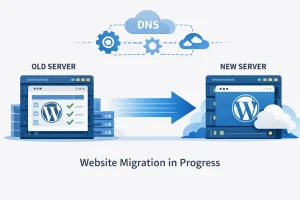
13. Are migrations included or assisted?
Moving to a new provider should not put your site at risk. Many managed hosting services include guided migrations to reduce downtime.
SEO and Compliance Questions
14. Does the hosting environment support SEO best practices?
Fast load times, reliable uptime, HTTP status handling, and server location all influence rankings. Hosting is an SEO decision, whether you plan it or not.
“Page speed is a ranking factor for Google Search on both desktop and mobile.”
Google Search Central
15. Are compliance and data handling addressed?
If your business handles sensitive data, ask about compliance support, data isolation, and access controls.
Comparing Business Hosting Solutions the Right Way
A hosting comparison should go beyond price. When evaluating providers, look for transparency in infrastructure, documented uptime policies, and clearly defined hosting backups.
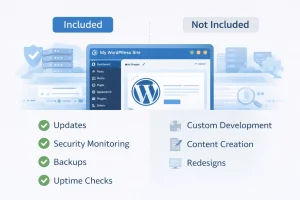
Many businesses choose managed hosting services because they reduce internal workload while improving stability.
As your site grows, scalable business hosting solutions help prevent performance bottlenecks and emergency migrations.
Final Checklist Takeaways
This business web hosting checklist is designed to help you ask better questions before signing a contract. Hosting should support your business strategy, not constrain it.
If you want a hosting partner built for reliability, performance, and long term growth, CoHosta provides hosting environments designed specifically for business websites.
Industry Insight: According to Google, as page load time increases from 1 second to 3 seconds, the probability of bounce increases by 32 percent.
Source: Think With Google